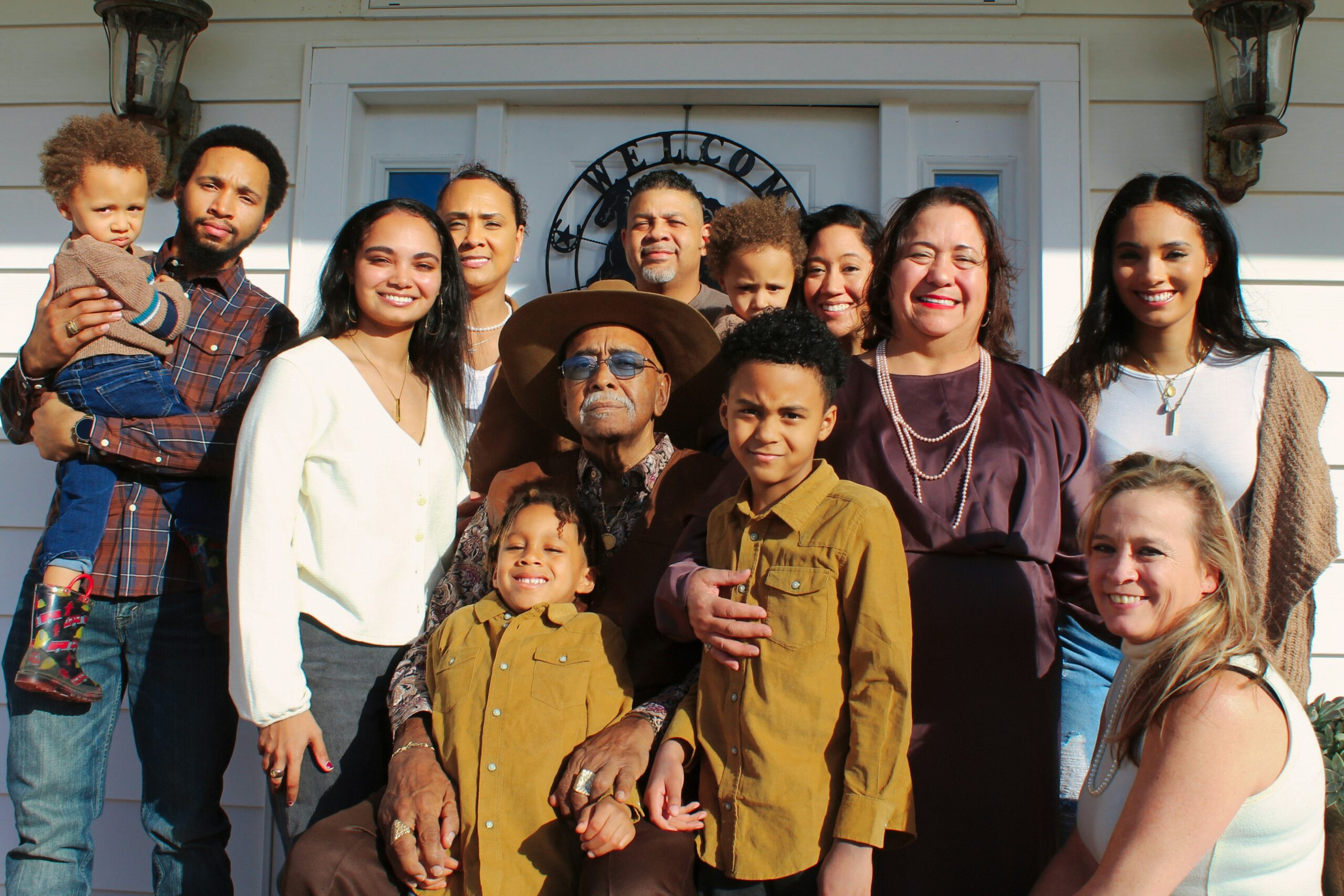
When you hear "generational wealth," what comes to mind? Mansions? Private jets? A dusty old trust fund? For many of us—especially in BIPOC and LGBTQ+ communities—that phrase can feel out of reach or even out of touch.
But let's clear something up: generational wealth isn't about excess—it's about access. And it doesn't start with some huge windfall. It starts with you.
Whether you're working with a 5-figure income or building your first emergency fund, you can lay the foundation for a financial legacy that lasts.
🧱 Step 1: Understand What Generational Wealth Really Is
Generational wealth means passing down assets—money, property, investments, or even knowledge—that benefit the next generation. It's not just about giving money, it's about equipping your people to build more of it.
➡️ Examples of Generational Wealth:
- A paid-off home
- A funded college savings account
- A well-diversified investment portfolio
- A family business
🪴 Step 2: Start Small, But Start Smart
You don't need six figures to start. Begin by planting seeds:
- Open a Roth IRA (it grows tax-free!)
- Invest monthly into index funds or ETFs
- Start a high-yield savings account for your kids, siblings, or future family
➡️ Real-Life Example: Simone, 34, started saving $50/month for her niece. Five years later, she'd saved over $3,000—plus taught her niece how compound interest works.
🧾 Step 3: Get Your Estate + Legal Docs in Order
Yes, even if you're not "rich." Wills, beneficiaries, and power of attorney forms are the infrastructure of generational wealth.
- Draft a basic will (free or low-cost options online)
- Make sure your 401(k) or IRA has a beneficiary listed
- Set up a transfer-on-death option for your bank accounts
➡️ Pro Tip: Use services like Trust & Will or FreeWill to make it easy.
💬 Step 4: Normalize Money Talks in Your Circle
If you weren't raised talking about money, this might feel weird—but it's crucial. Talk to your kids, siblings, cousins, and chosen fam about:
- How credit works
- What investing means
- How to budget and avoid debt traps
➡️ Try This: Host a monthly "Family Finance Hour" or start a group chat to share wins and tips.
🏠 Step 5: Own Assets, Not Just Stuff
We love a good splurge, but prioritize purchases that appreciate over time:
- Stocks over sneakers
- Real estate over random electronics
- Education over expensive trends
➡️ Real-Life Example: Malik, 29, used his tax return to buy fractional shares in a REIT instead of upgrading his phone. Two years later, that investment is still growing.
🔁 Step 6: Teach What You Learn
Knowledge is a major currency. Share what you're learning with younger folks—or peers who never got this info.
- Record a short video explaining how your Roth IRA works
- Gift a finance book instead of birthday swag
- Invite a teen to join you for a budget session
💡 Step 7: Make It a Legacy, Not Just a Moment
Wealth isn't built in one payday—it's built in consistent habits, shared vision, and long-term moves.
Celebrate the small wins:
- Paid off a credit card? That's legacy.
- Taught your cousin how to invest? That's legacy.
- Started a savings plan for your future kid? Big legacy.
Final Word: The Legacy Starts With You
You don't need a rich uncle. You don't need a trust fund. You just need the mindset, the tools, and the belief that you are worthy of building wealth that lasts.
This is about more than just money. It's about showing the next generation what's possible—because they'll believe it more when they see you doing it.
So go ahead. Set the foundation. Pass the torch. And make "first-generation investor" sound like the beginning of a movement.